 Back to home
A Palestinian village in the Jerusalem Governorate
بيت دقّو
أرضٌ من الزيتون والعنب، وحكايةٌ تمتد منذ نحو ستة قرون.
13كم
from Jerusalem
651م
elevation above sea level
١٤٠٠م
approximate founding
٢,٥٠٠نسمة
approximate population
Six centuries, at a glance
Milestones documented in tax registers and official censuses.
1596
Ottoman era
3 families recorded in the tax register
1922
British Mandate
254 residents per the first official census
1945
Late Mandate period
420 residents across 5,393 dunams of land
1961
Jordanian rule
537 residents before the 1967 war
1987
First Intifada
The village becomes active in popular resistance
2017
Official census
1,754 residents per the Central Bureau of Statistics
Today
Present day
About 2,500 residents
Location & landscape
Stretched between hills and vineyards
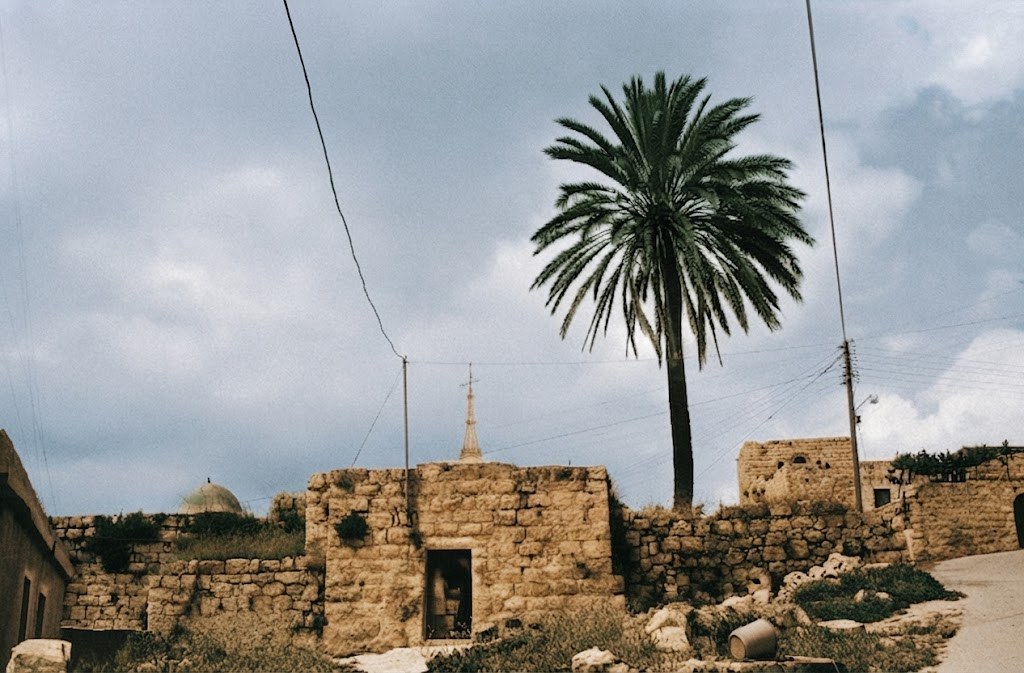
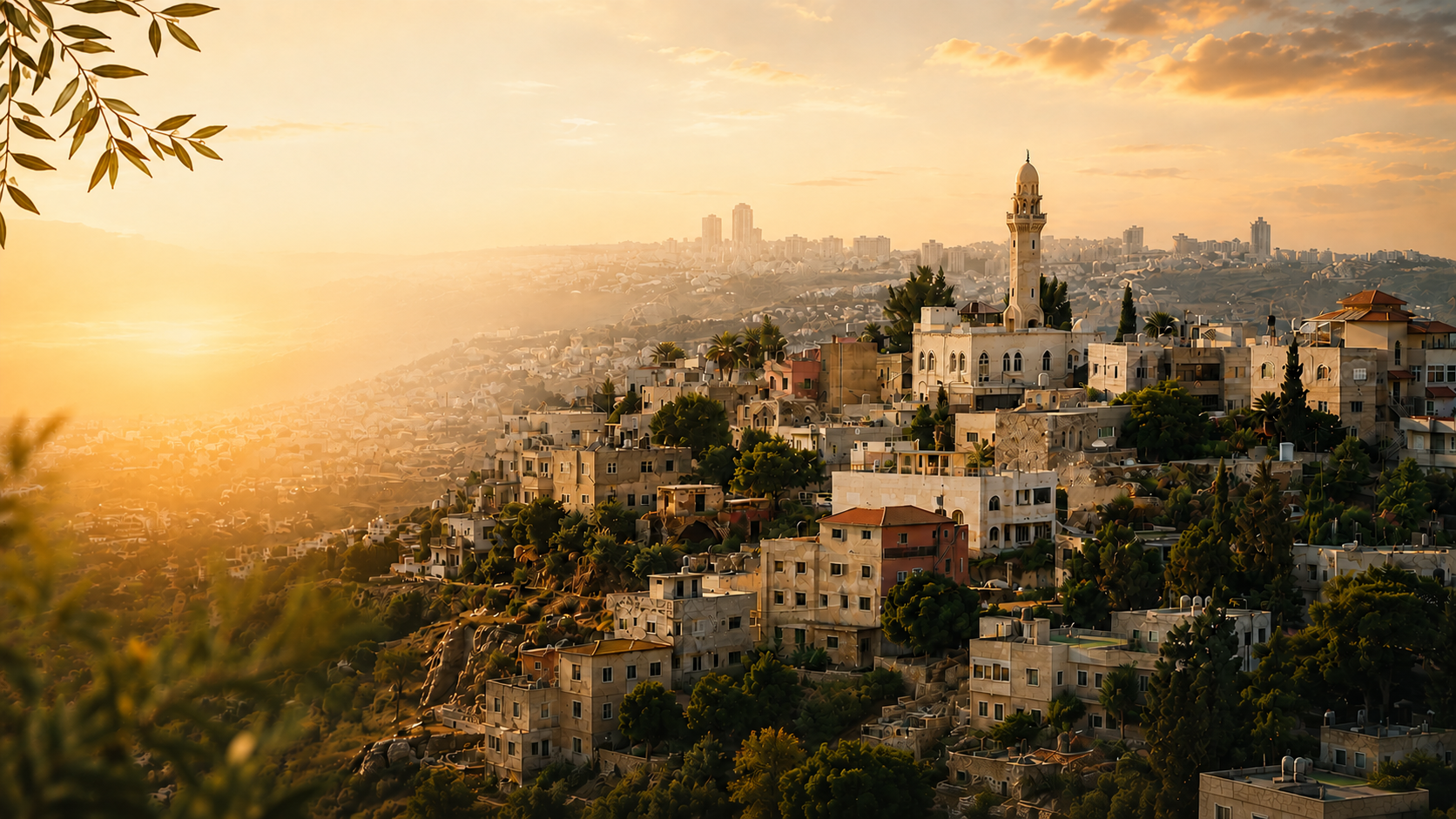
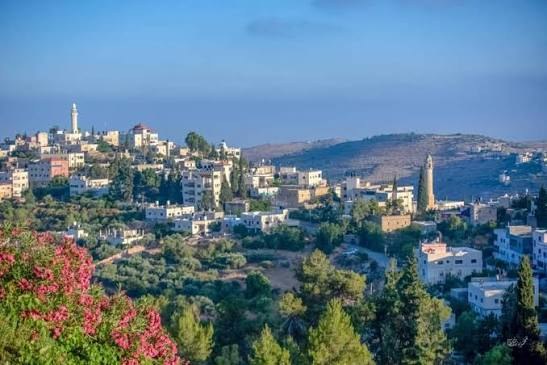
Beit Duqqu lies northwest of Jerusalem, about 13 kilometers away, within the Jerusalem Governorate in the West Bank, at an elevation of roughly 651 meters above sea level.
The village is surrounded by hills covered in grapevines and olive trees — a landscape that has shaped the farming life of its people for centuries, as documented in Ottoman tax records from 1596, which list wheat, barley, olives, and fruit trees grown in the village.
Origins & founding
A name that carries its founder’s story
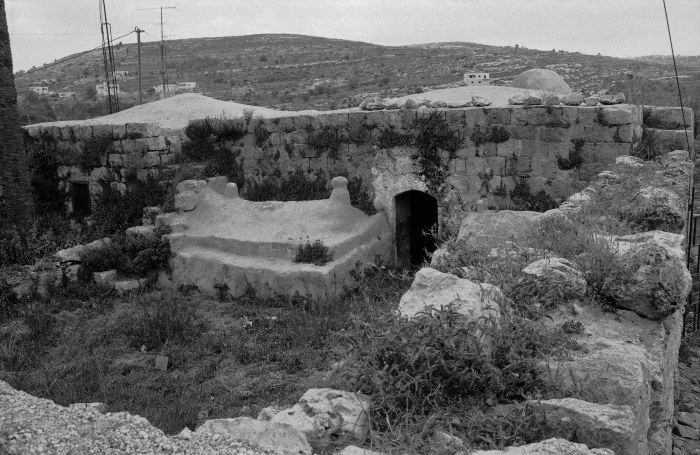
Beit Duqqu’s founding is attributed to Sheikh Salih ibn Waliullah Ahmad al-Rifa’i, a sheikh of the Sufi Rifa’i order, who migrated in the early 14th century CE from the village of Umm Walad in the Hauran region of southern Syria and settled here, founding the village around 1400 CE. The name "Beit Duqqu" is said to be a shift from "Beit al-Daqqaq," a local title associated with the founding sheikh.
The village came under Ottoman rule in 1517 along with the rest of the Levant, and a 1596 tax register lists it as "Beit Duqqu" in the Nahiya of Jabal Quds, home at the time to just 3 families, who paid taxes on wheat, barley, olives, fruit trees, goats, and beehives.
Families & population
One root, many households
Beit Duqqu’s four principal families trace their lineage to Sheikh Omar al-Rifa’i: Dar Daoud, Dar Rayyan, Dar Marar, and Dar Husayn, alongside the Dar Badr family.
The village’s population grew across decades of official record-keeping — 254 in the 1922 British Mandate census, 328 in 1931, 420 in 1945, 537 under Jordanian rule in 1961, and 1,754 in the 2017 Palestinian Central Bureau of Statistics census — reaching around 2,500 people today, who keep its family fabric intact.
The village has a girls’ school serving Beit Duqqu’s young women, alongside area schools its children attend for other stages of education.
Landmarks & heritage
Shrines and a spring that tell of its age
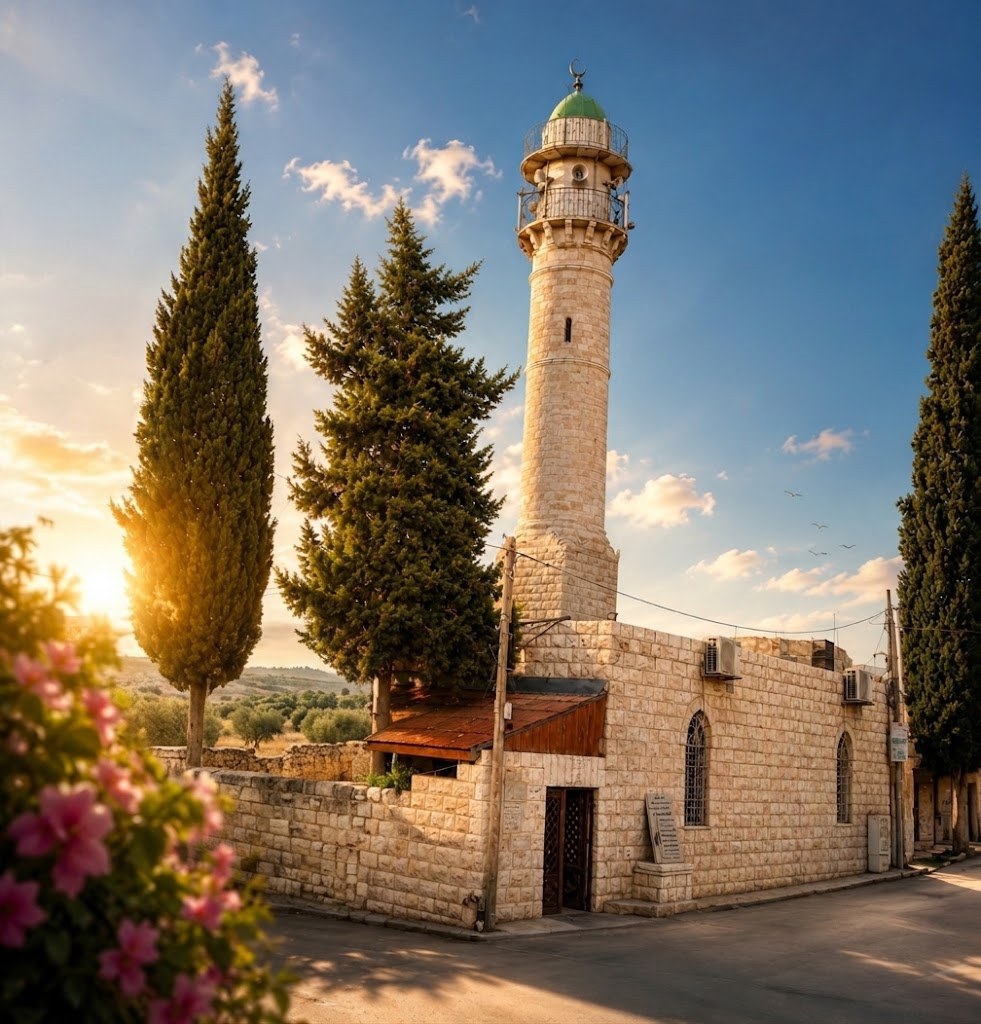
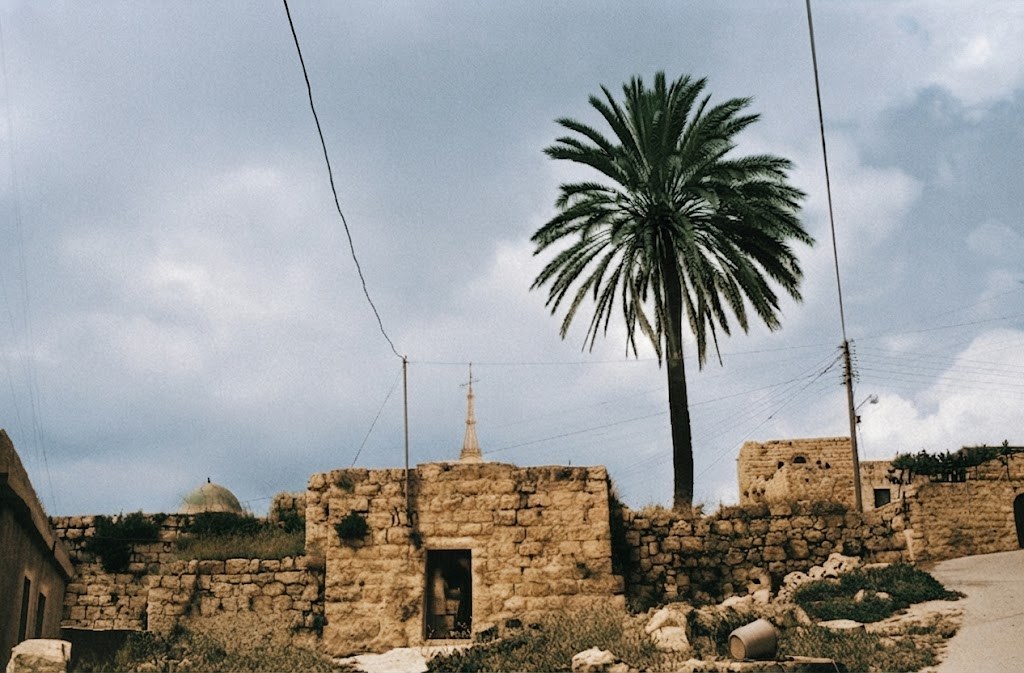
Beit Duqqu holds onto a number of historical landmarks that speak to its centuries-old depth, chiefly the shrine of Sheikh Omar and the shrine of Sheikh Ismail, alongside Ein Salman spring and its historic fortress — once a key water source — and old ruins known locally as Khirbet Jafna.
A 1945 land survey put the village’s total area at 5,393 dunams, of which about 1,610 dunams were farmland and 1,767 dunams were under grain cultivation — a broad agricultural footprint that explains its people’s deep bond with the land.
These sites, together with the old stone houses at the village’s heart, form a living extension of Beit Duqqu’s memory and identity.
Steadfastness & the land
A village active in steadfastness since the First Intifada
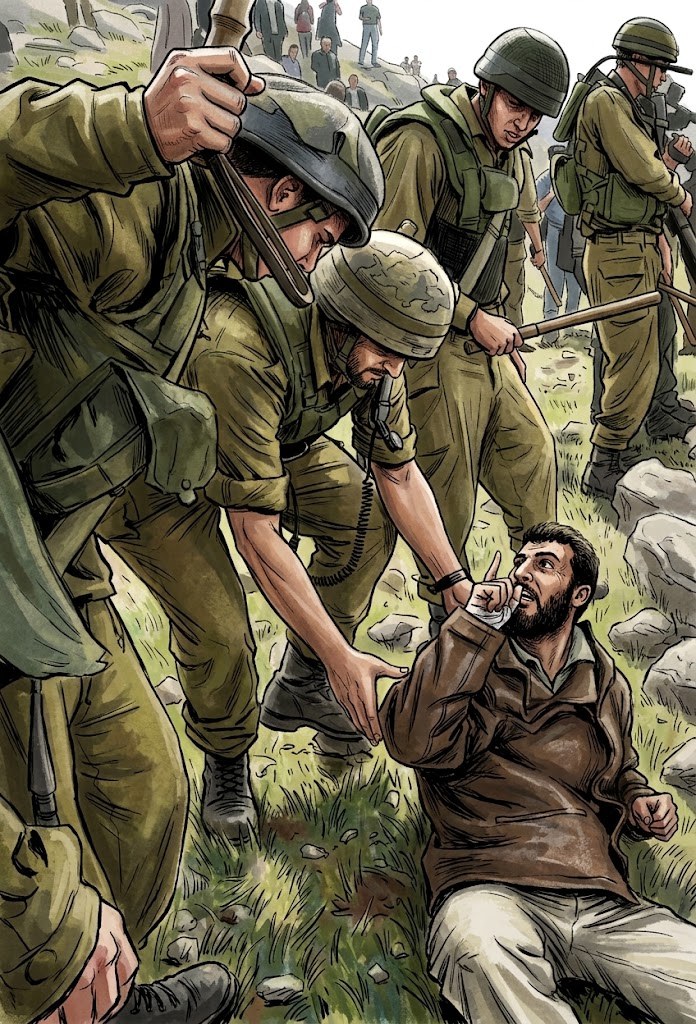
Beit Duqqu has taken part in popular resistance since the First Intifada in the late 1980s, and is known for its active role in grassroots mobilization across the northwest Jerusalem area.
Of the village’s roughly 6,000 dunams of land, about 1,000 dunams have been confiscated or made hard to reach because of settlements and the separation wall — including land taken to build the nearby Israeli settlement of Giv’at Ze’ev.
The separation wall has also cut the village off from Jerusalem, its natural center, so many of Beit Duqqu’s residents now turn to Ramallah for their daily affairs instead of Jerusalem.

Farming & the season
A season that brings the village together every year
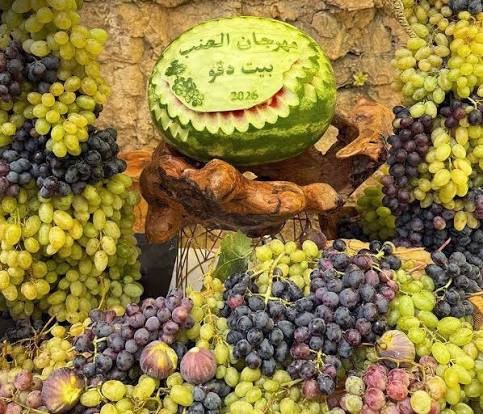
Grapes and olives have remained the backbone of Beit Duqqu’s farming economy generation after generation, just as they were in the earliest known records of the village. With every harvest, residents celebrate the fruit of their vineyards and orchards at the Souq al-Enab (Grape Market) festival — an annual celebration of the land and its people.
The festival entered its fourth year in 2026; local council head Mawfaq al-Khatib describes it as proof of the village’s farmers determination to stay on their land. Farmers face real challenges — competition from Israeli produce in the markets, the expansion of nearby settlements, and harassment some face from occupation forces and settlers — alongside support from agricultural relief organizations that help develop local grape farming.
Keep exploring the village
Every section of the Beit Duqqu portal is a window onto another side of the village.